

Truck Stops or Secure Truck Parking: What’s the Difference?
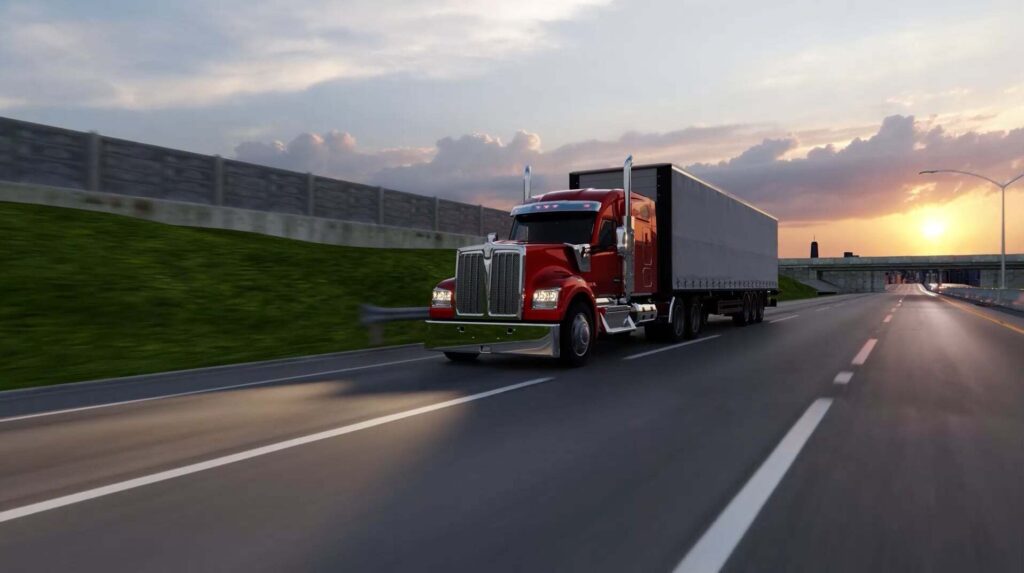
Truck stops and dedicated truck parking may both give you a place to put the rig, but they are built around different priorities.
A truck stop is built around the driver moving down the road. Fuel, food, convenience services, and parking all happen in one place.
Dedicated truck parking is built around the parking itself. The focus is having a known space, arranging it ahead of time, returning to the same location, and having options that work for overnight stays, home time, trailers, monthly parking, and fleets.
For a lot of drivers, the real question is not whether one replaces the other.
It is whether you can get the parking setup you want without giving up convenient access to the fuel, food, and truck services you still need.
At Big Rig Park, the answer is yes.
The Short Version: Dedicated Parking Gives You More Control Over the Parking
A traditional truck stop may give you everything in one location, but parking is only one part of what the property is designed to do.
Dedicated parking puts the parking needs first.
That can mean:
- A space arranged before you arrive
- A dedicated numbered spot
- Overnight parking
- Sleeping in the cab while parked
- Daily, weekly, and monthly options
- Home-time parking
- Trailer parking
- Fleet parking
- A consistent location you can come back to
- Direct communication with the people managing the property
The tradeoff is that a dedicated parking facility may not sell fuel, food, or truck-stop services on site.
At Big Rig Park, those services are still close by.
A truck-oriented RaceTrac is approximately half a mile away, offering high-flow diesel, food, convenience services, 24-hour operation, and facilities designed for semi traffic. A Ryder truck maintenance location is also approximately one mile from the property.
That gives drivers the parking advantages of a dedicated yard without putting common road services far out of reach.
What Truck Stops Are Built For
Truck stops serve an important role in trucking.
They are typically designed around drivers who need several things at once:
- Fuel
- Food
- Restrooms
- Showers
- Convenience items
- A place to park
- Easy highway access
That combination is useful, especially when a driver is actively moving through an area.
The difference is that the parking lot has to support all of that activity at the same time.
Drivers, passenger vehicles, fuel traffic, restaurants, deliveries, and trucks all move through the same property.
Dedicated parking takes a different approach.
What Dedicated Truck Parking Is Built For
At a dedicated parking facility, parking is the primary purpose of the property.
That matters when you want more control over where the truck will be, how long it can stay, and what kind of setup the lot can accommodate.
Dedicated parking can be especially useful for:
- Overnight parking
- Hours-of-service breaks
- Home time
- Several days between loads
- Holiday or vacation parking
- Weekly parking
- Monthly parking
- Dropped trailers
- Loaded trailers
- Reefer trailers
- Fleet parking
- Commercial overflow
Big Rig Park supports all of those use cases. Drivers may also sleep in the cab while parked overnight.
A Side-by-Side Look
| What you need | Traditional truck stop | Dedicated truck parking |
| Fuel and food on site | Core feature | Usually nearby rather than on site |
| Overnight truck parking | Common | Strong fit |
| Sleeping in the cab | Common | Depends on facility. Allowed at Big Rig Park |
| Reserved parking ahead of arrival | Varies | Strong fit |
| Several days of parking | Varies by location | Strong fit |
| Home-time parking | Less specialized | Strong fit |
| Weekly or monthly parking | Usually not the main model | Strong fit |
| Dropped trailer parking | Varies | Strong fit where permitted |
| Loaded or reefer trailers | Varies | Facility-specific |
| Multiple fleet spaces | Limited use case | Strong fit |
| Dedicated numbered space | Varies | Common at purpose-built facilities |
| Recurring parking arrangement | Varies | Strong fit |
| Direct relationship with property management | Varies | Often easier |
The point is not that every truck stop works the same way or every dedicated yard offers the same features.
The point is that the two types of properties are designed around different priorities.
Overnight Parking Does Not Have to Mean Truck-Stop Parking
One of the biggest corrections to the usual comparison is the assumption that dedicated parking means leaving the truck and going somewhere else.
That is not always the case.
At Big Rig Park, drivers can reserve an overnight space and sleep in the cab while parked on the property.
That makes dedicated parking a practical option when:
- You are shutting down for your break
- You want to know where you are parking before you arrive
- You prefer a dedicated commercial lot
- You need to stay overnight and roll out again in the morning
- Nearby truck-stop parking is crowded or uncertain
The key is arranging the space before you arrive.
What Happens When Truck-Stop Parking Is Full?
This is one of the situations where having another option matters.
Truck-stop parking availability can change quickly, particularly later in the day or along heavily traveled routes.
Some locations offer reserved parking and some do not. Policies and availability vary.
Dedicated parking gives you another path.
Instead of pulling in and hoping a space is open, you can arrange the parking ahead of time and know where you are going.
At Big Rig Park, your reservation includes a dedicated, numbered space.
That can be useful whether you are parking for one night or several weeks.
Dedicated Parking for Home Time
Home time creates a different parking need.
You may be leaving the truck for several days while you are with family, handling appointments, or simply taking time off the road.
A recurring or longer-term parking arrangement gives the truck a known place to stay instead of making parking part of the home-time logistics.
It can also help drivers who cannot conveniently park a tractor or trailer at home because of:
- HOA restrictions
- Local commercial-vehicle rules
- Driveway limitations
- Residential street layouts
- Space constraints
At Big Rig Park, the truck stays at a dedicated commercial parking property until you are ready to run again.
More on this: [Parking for Individual Drivers →]
Monthly Parking Is a Different Kind of Need
For an owner-operator or local driver, parking may not be a one-night decision.
It may be part of the regular operating routine.
A monthly arrangement gives the truck a consistent home base instead of requiring a new parking decision every week.
That can mean:
- A dedicated numbered space
- A known location between runs
- 24-hour access through the reservation system
- A fixed monthly parking cost
- Less dependence on temporary parking availability
For drivers who regularly operate in Central Florida, that consistency can make the day-to-day operation simpler.
More on this: [Monthly Truck Parking for Owner-Operators →]
Trailer Parking Changes the Equation
Trailer parking is another area where dedicated commercial parking can offer more flexibility than a general truck-stop lot.
Big Rig Park accepts:
- Dropped trailers
- Loaded trailers
- Reefer trailers
- Tractor-trailer combinations
- Trailer-only parking
- Shipping containers
A standard tractor with a 53-foot trailer will generally fit in one 12 by 70 foot space. Longer configurations may be placed in a larger space or use two spaces depending on the setup and availability.
For an owner-operator or fleet, that creates options beyond simply finding somewhere to park the complete rig for the night.
Fleet Parking Requires a Different Setup
A company managing several vehicles has needs that go beyond finding an open truck-stop space.
Fleet parking may require:
- Several spaces at the same property
- Recurring parking
- Tractor and trailer capacity
- Overflow space
- Temporary project parking
- Driver access under one fleet account
- A direct relationship with property management
Big Rig Park supports recurring and temporary fleet arrangements based on current availability.
Fleet accounts can add drivers to the reservation system, and those drivers can access the property through the Big Rig Park web/app system from their phones.
More on this: [Fleet and Contract Parking →]
Security: Look Past the Label
“Secure truck parking” gets used loosely.
The better question is what the property actually has in place.
Look for things such as:
- Fencing
- Controlled access
- Lighting
- Defined parking spaces
- Property management
- Monitoring of access
- Camera support
- Room to maneuver safely around the lot
At Big Rig Park, the property is fenced with barbed wire, well lit, professionally managed by local owners, uses controlled access through the reservation system, monitors access to the yard, and is supported by security-camera monitoring. Spaces are assigned and numbered.
No parking property can eliminate every risk. The useful comparison is between actual property controls, not marketing labels.
Lot Layout Matters More Than Most Drivers Realize
Parking a truck is easier when the property is designed around trucks.
Big Rig Park uses standard 12 by 70 foot spaces with wide drive aisles intended for commercial equipment.
That gives drivers room to enter, turn, back, park, and leave without working around fuel-island traffic or a lot designed primarily around passenger vehicles.
A typical tractor and 53-foot trailer will generally fit within a standard space, with longer setups handled according to available space.
Direct Reservations vs. Marketplace Booking
Truck-parking marketplaces can be useful when you are traveling through an unfamiliar area and want to search several properties at once.
Direct reservations are useful for a different reason.
When you work directly with the parking property, it can be easier to ask specific questions about:
- Your truck or trailer setup
- Overnight stays
- Longer parking periods
- Monthly arrangements
- Fleet needs
- Unusual equipment
- Current availability
Big Rig Park allows drivers to arrange parking online and contact the local team directly by phone or text when questions come up.
Once the reservation is active, property access is handled through the Big Rig Park web/app system.
So, What Is the Real Difference?
Truck stops are built around the whole travel stop.
Dedicated truck parking is built around giving the truck a dependable place to be.
If parking itself is the priority, dedicated parking gives you more options:
- Reserve ahead
- Stay overnight
- Sleep in the cab
- Leave the truck for several days
- Set up weekly or monthly parking
- Park a trailer
- Handle fleet needs
- Return to the same location
- Work directly with the property
And at Big Rig Park, you can do that without being far from fuel, food, and truck maintenance.
Need Truck Parking in Central Florida?
Big Rig Park provides dedicated commercial parking for individual drivers, owner-operators, trailers, and fleets on US Highway 27 in Groveland, approximately one mile from Florida’s Turnpike.
The property offers:
- 12 by 70 foot standard spaces
- Dedicated numbered parking
- 24-hour access through the reservation system
- Overnight cab sleeping
- Daily, weekly, and monthly parking
- Trailer parking
- Fleet parking
- A fenced and well-lit commercial yard
- Local ownership and management
Tell us what you are parking and how long you need the space.
Call 1-833-808-PARK, text TRUCK to the same number, or reserve online.
Call or text to check parking availability.
Parking for multiple vehicles? Request fleet parking availability.